
Are Energy-Efficient Windows Worth It in the Bay Area? Costs & Savings in 2026
Considering energy-efficient windows for your Bay Area home? Understanding the costs and benefits can help you make an informed decision. This guide provides an overview of the costs, ROI, and energy-saving potential of energy-efficient windows in the Bay Area.
At a Glance: Windows in Bay Area 2026
|
|
|
|---|---|
|
Average cost |
$450 – $2,500 per window |
|
Cost per sq ft |
N/A — priced per window unit |
|
ROI at resale |
65–72% |
|
Typical timeline |
1–3 days for full house |
|
Permit required |
Yes / Depends on scope |
|
Local market factor |
1.00x national baseline |
How Much Does a Window Cost in Bay Area in 2026?
The cost of a window in the Bay Area can vary depending on the type and quality of the window. Vinyl double-pane windows typically cost between $450 and $850 per window, while fiberglass windows can range from $900 to $1,500 per window. Wood windows are often the most expensive option, with prices ranging from $1,000 to $2,500 per window.
Quick benchmark: A standard-sized, energy-efficient vinyl double-pane window can cost around $600, including installation.
Here is a comparison of the different types of windows and their costs:
|
Window Type |
Cost Range |
|---|---|
|
Vinyl double-pane |
$450 – $850 |
|
Fiberglass |
$900 – $1,500 |
|
Wood |
$1,000 – $2,500 |
|
Bay or bow window |
$2,000 – $6,000 |
|
Skylight |
$1,200 – $3,000 |
Key cost factors: Material costs (50–60%), installation labor (30–40%), and permits (5–10%).
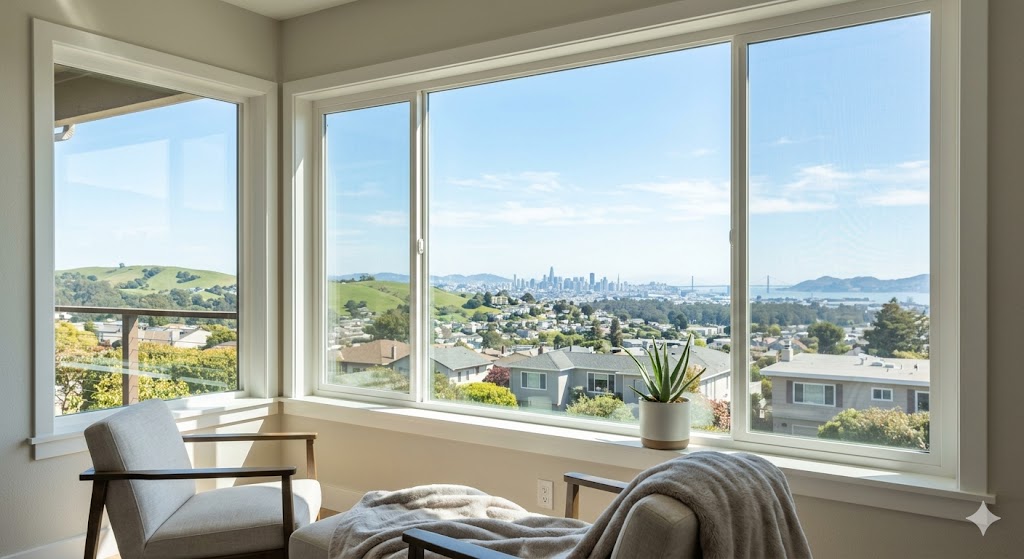
Bay Area Utility Rates Amplify Energy Savings ROI
The Bay Area has some of the highest utility rates in the country, making energy-efficient windows a worthwhile investment. According to NOAA SF Bay Area, the region's mild climate means that heating and cooling costs are relatively low compared to other parts of the country. However, the high cost of electricity in the Bay Area means that energy-efficient windows can still provide significant savings.
Typical energy savings: 10–25% reduction on heating and cooling bills, according to ENERGY STAR.
Double-Pane vs Triple-Pane: Cost Comparison and When Triple is Worth It
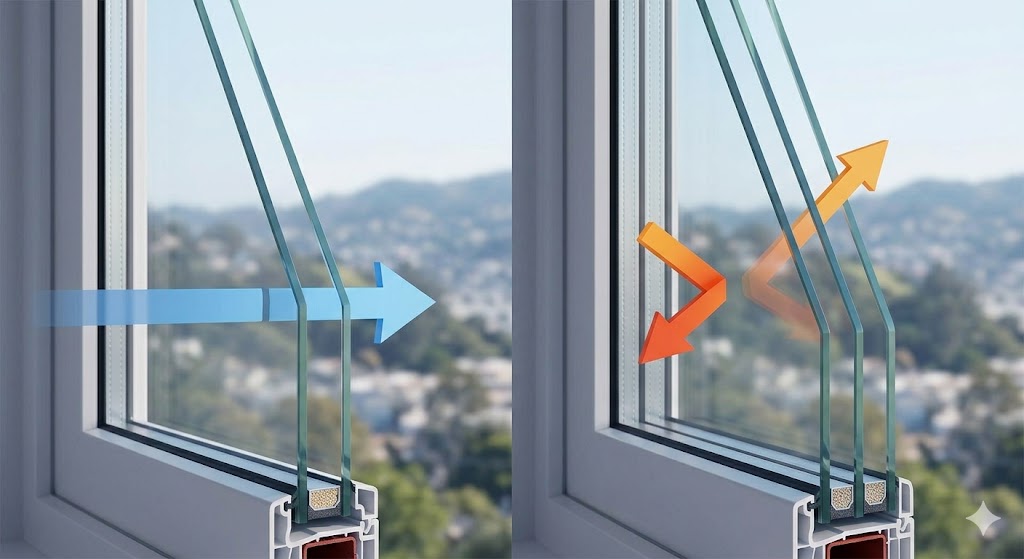
Double-pane windows are a popular choice for energy efficiency, but triple-pane windows can provide even greater savings. Double-pane windows typically cost between $450 and $850 per window, while triple-pane windows can range from $1,200 to $2,500 per window.
According to the Cost vs. Value Report 2025, the ROI for vinyl windows is 68.5%, while wood windows have an ROI of 61.2%. When deciding between double-pane and triple-pane windows, consider the following factors:
- Climate: If you live in an area with extremely cold or hot temperatures, triple-pane windows may be worth the extra cost.
- Budget: If you have a limited budget, double-pane windows may be a more affordable option.
- Energy efficiency: If you want the most energy-efficient option, triple-pane windows are the way to go.
Federal IRS 25C Tax Credit: 30% up to $600
The federal government offers a tax credit for energy-efficient window installations. According to IRS Section 25C, homeowners can claim a tax credit of 30% of the total cost of the windows, up to $600.
Eligibility: The tax credit is available for primary residences and second homes, but not for rental properties.
California Rebate Programs Available in 2026
California offers several rebate programs for energy-efficient window installations. According to ENERGY STAR, homeowners can receive rebates of up to $1,000 for energy-efficient window installations.
Eligibility: The rebates are available for primary residences and second homes, but not for rental properties.
Pre-1980 Bay Area Homes: Highest Opportunity for Savings
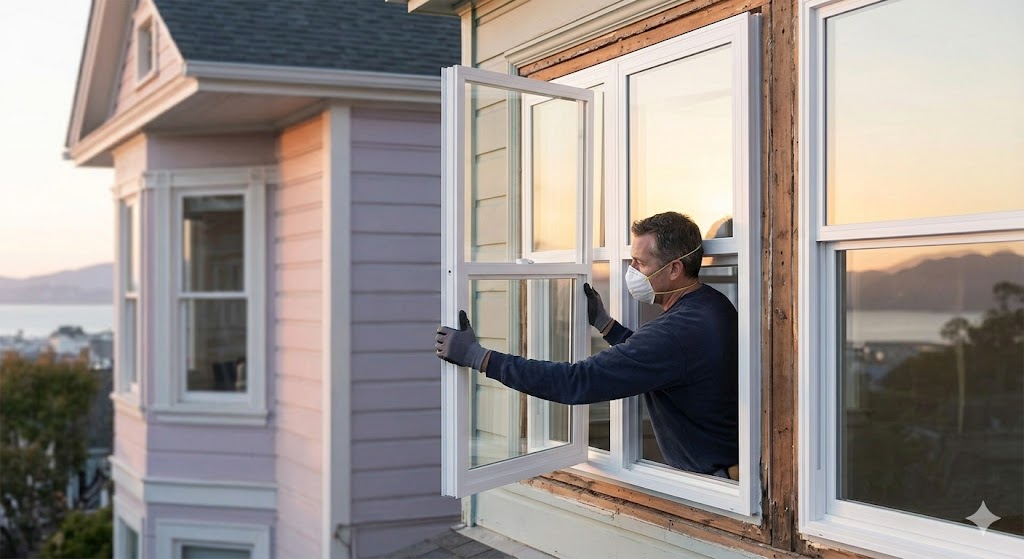
Homes built before 1980 often have outdated windows that are not energy efficient. Replacing these windows with energy-efficient models can provide significant savings. According to IA Remodelings Market Research 2026, homes built before 1980 can save up to 30% on their energy bills by installing energy-efficient windows.
Typical cost: $10,000 to $18,000 for a full-house window replacement, depending on the type and quality of the windows.
Payback Period Calculation with Real Numbers
The payback period for energy-efficient windows can vary depending on the cost of the windows and the amount of energy savings. According to NOAA SF Bay Area, the average payback period for energy-efficient windows in the Bay Area is 8-15 years.
Example calculation:
- Cost of windows: $15,000
- Energy savings: $300 per year
- Payback period: 50 months (or approximately 4.2 years)
Want a specific estimate for your windows in Bay Area?
Tell our agent about your project — it'll match you with a verified local pro in minutes.

Comments