
How Long Does a Home Remodel Take in Los Angeles? Real Timelines for Every Service in 2026
The most common source of frustration in LA home remodels isn't cost overruns — it's timeline surprises. Homeowners plan for 8 weeks and end up at 20. The gap usually comes from two sources: underestimating the LADBS permit phase and not accounting for material lead times that run parallel to (not after) permit processing. Understanding where the time actually goes — broken out by project type — is what makes it possible to plan a remodel without disrupting your life more than necessary.
At a Glance: Home Remodeling Timelines in LA 2026
|
|
|
|---|---|
|
Typical project range |
1 week (window swap) to 18+ months (custom ADU) |
|
Permit processing |
Same-day OTC to 6–8 weeks plan check |
|
Local market factor |
~1.35x national baseline |
|
ROI at resale |
60–75% depending on project type |
|
Permit required |
Yes for structural, electrical, plumbing, mechanical scope |
|
LADBS Express Plan Check |
Available for fee — cuts plan check by 2–4 weeks |
How Much Does a Home Remodel Cost in LA in 2026?
LA labor costs run approximately 1.35x the national baseline. The table below reflects local market pricing — national benchmarks will read roughly 25–30% lower for the same scope.
|
Project type |
Typical total cost |
Per sq ft |
|---|---|---|
|
Kitchen remodel (mid-range) |
$45,000 – $80,000 |
$200 – $500 |
|
Bathroom remodel (mid-range) |
$15,000 – $35,000 |
$150 – $350 |
|
Roof replacement (architectural shingles) |
$12,000 – $28,000 |
$5 – $12 |
|
$12,000 – $35,000 |
$6 – $18 |
|
|
Window replacement (per window) |
$800 – $2,500 |
— |
|
ADU (garage conversion) |
$100,000 – $200,000 |
$300 – $500 |
|
ADU (new detached) |
$200,000 – $400,000+ |
$350 – $650 |
|
Full home remodel |
$150,000 – $500,000+ |
$200 – $600 |
Realistic Timelines by Service in LA
This table separates the permit phase from the construction phase — they often run in parallel, but the permit window is where most homeowners get caught off guard.
|
Service |
Permit type & time |
Construction time |
Total typical timeline |
Notes |
|---|---|---|---|---|
|
Window replacement |
OTC or no permit / same-day |
1–3 days |
1–2 weeks |
Material lead time: 2–6 weeks for custom sizes |
|
Roof replacement |
OTC / same-day |
1–3 days |
1–2 weeks |
Add fire dept review in VHFHSZ zones |
|
Bathroom remodel (cosmetic) |
No permit needed |
2–4 weeks |
2–4 weeks |
No structural, electrical, or plumbing changes |
|
Bathroom remodel (full) |
Plan check / 3–5 weeks |
3–5 weeks |
6–10 weeks |
Plumbing relocation adds time |
|
Siding replacement |
Plan check / 2–4 weeks |
1–2 weeks |
3–6 weeks |
HOA review adds 4–8 weeks for exterior |
|
Kitchen remodel (layout unchanged) |
Plan check / 3–5 weeks |
4–7 weeks |
7–12 weeks |
Cabinet lead time: 4–10 weeks semi-custom |
|
Kitchen remodel (layout change) |
Plan check / 4–7 weeks |
5–9 weeks |
9–16 weeks |
Structural/MEP changes extend both phases |
|
Deck or patio addition |
Plan check / 3–5 weeks |
2–4 weeks |
5–9 weeks |
HOA review adds 4–8 weeks |
|
ADU (garage conversion) |
Plan check / 3–6 months |
4–6 months |
8–14 months |
Utility connection: PG&E/LADWP can add 2–4 months |
|
ADU (new detached) |
Plan check / 4–8 months |
5–8 months |
12–18 months |
LADBS Standard Plan Program cuts permit phase |
|
Full home remodel |
Plan check / 4–8 weeks |
3–6 months |
4–8 months |
Phased demo/rebuild adds complexity |
Why LA Remodels Take Longer Than National Averages
The national average for a mid-range kitchen remodel is roughly 6–10 weeks. In LA, 10–16 weeks is more realistic. The difference is structural, not coincidental:
LADBS permit types determine the timeline from the start. Not all permits process at the same speed. Understanding which type applies to your project is the first planning decision:
- OTC (over-the-counter): same-day approval for simple, pre-determined scope — window replacements, roof replacements with same-material spec, minor repairs. If your project qualifies, you skip the queue entirely.
- Standard plan check: 3–8 weeks for plan review. Required for any structural, electrical panel, plumbing reroute, or new addition work. The 3–8 week range depends on LADBS workload and how complete your submitted drawings are.
- Express Plan Check: available for an additional fee ($500–$2,000+ depending on project valuation). Reduces standard plan check by 2–4 weeks. Worth the cost on projects where contractor availability is confirmed and waiting costs more than the fee.
- Electronic Plan Check (e-Plan): LADBS accepts digital submissions for most project types. Faster initial submission, but the review queue is the same as standard unless combined with Express.
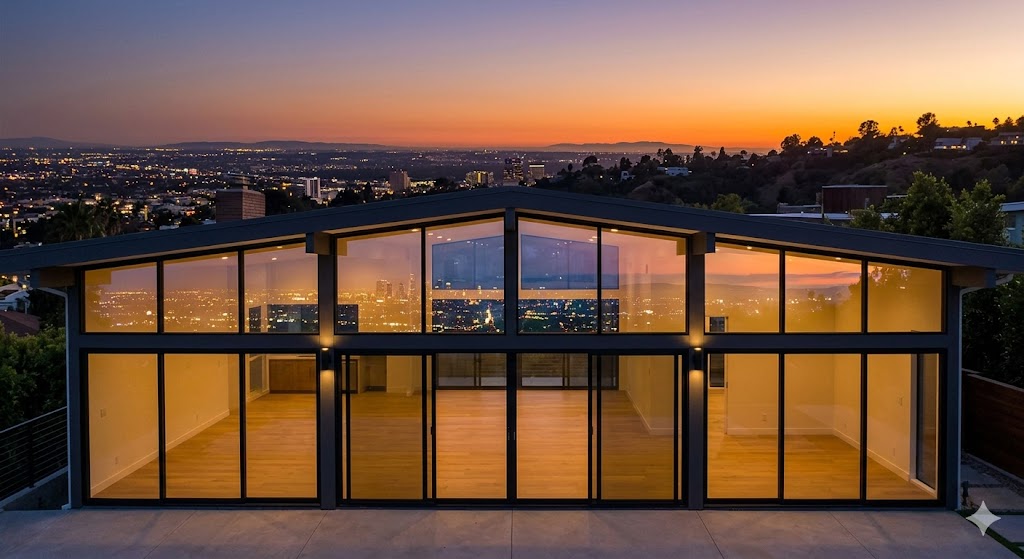
HOA review is a parallel track, not a footnote. For any exterior change — siding, windows, decks, roof color or material, additions visible from the street — HOAs in communities like Playa Vista, Porter Ranch, Woodland Hills, and Brentwood require a 30–60 day mandatory review window before any work begins. This runs in parallel with permit processing but starts from a different clock. Homeowners who submit to their HOA the same day they submit for permits save a full month compared to those who do it sequentially.
Material lead times are not included in contractor timelines. A contractor who says "the kitchen takes 6 weeks to build" is counting construction time, not the 4–10 weeks semi-custom cabinets spend at the factory before they arrive on site. The full project clock starts when materials are ordered, not when demo begins.
Inspection scheduling adds days between phases. LADBS inspections are typically scheduled 1–3 business days out from request. Work cannot continue past an inspection point until the inspection passes. On a kitchen with 5–6 inspection points (rough framing, rough electrical, rough plumbing, insulation, drywall, final), those waiting days accumulate.
What Causes Delays Mid-Project in LA
Hidden conditions found during demo are the most common mid-project delay and the hardest to predict:
- Asbestos: homes built before 1978 in LA frequently contain asbestos in floor tile, drywall joint compound, textured ceilings (popcorn), and pipe insulation. If found, a licensed abatement contractor must remediate before construction can continue. Timeline impact: 1–3 weeks and $2,000–$8,000 in abatement cost.
- Knob-and-tube wiring: common in pre-1950 LA homes. Most insurers require full replacement before issuing or maintaining homeowner's insurance on a remodeled space. Timeline impact: 2–4 weeks for a full panel upgrade and rewire.
- Lead paint: required disclosure and containment procedures in homes built before 1978. Remediation timeline: 3–7 days for a room-level scope.
- Structural surprises: non-permitted prior additions, undersized beams, or termite damage discovered after opening walls. Each requires a structural engineer's sign-off before continuing. Timeline impact: 1–4 weeks depending on engineer availability.
Subcontractor scheduling gaps are common in LA's tight labor market. The general contractor's own crew handles framing and finish work; licensed electricians, plumbers, and HVAC technicians are subcontracted. In high-demand seasons (spring and fall), experienced licensed subcontractors in LA have 3–6 week backlogs. A GC who hasn't confirmed subcontractor availability before signing your contract is building the project on assumptions.
Re-inspection after failed initial inspection adds 3–5 business days per cycle. Common causes: work performed before inspection (contractor jumped ahead), scope changes not reflected in approved plans, or plan checker interpretation differences between reviewers.
How to Plan Your Life Around a Remodel
Kitchen out of commission (7–16 weeks for a full remodel):
Set up a temporary prep station in another room — countertop induction burner, microwave, mini fridge, and a folding table covers 90% of daily cooking. Budget $400–$600 for the temporary setup; it's worth it over 2–4 months of eating out. Confirm with your contractor which phase restores running water — typically 2–3 weeks after demo.
Primary bathroom (6–10 weeks for a full remodel):
If your home has only one bathroom, the realistic options are: temporary housing for the 3–4 weeks when the shower is fully non-functional, or negotiating a phased sequence with your contractor where toilet function is restored within the first week and shower use is restored as soon as waterproofing passes inspection. Get this commitment in writing before construction starts.
ADU construction (8–18 months):
The primary source of disruption isn't noise — it's the utility coordination phase. New electrical service, gas, and water connections require LADWP and other utility providers to schedule work, which in LA can run 2–4 months independently of permit and construction timelines. Plan for intermittent main service interruptions during the utility connection phase.
Roof replacement (1–2 weeks total):
The most livable remodel type. Roofers typically work from 7 am–4 pm. Day 1 is the loudest (tear-off). Budget for pet boarding if you have noise-sensitive animals. Clear the attic of any items that could be affected by debris falling through old decking gaps.
Questions to Ask Your Contractor Before Signing
Generic questions about "how long will it take" don't give you useful information. These questions do:
- "Which LADBS permit type does this project require, and have you pulled this type before in my zip code?" — Plan check complexity varies by jurisdiction within LADBS. A contractor with history in your specific neighborhood knows the local plan checkers.
- "What are the lead times for the main materials — specifically cabinets, countertops, and any custom items?" — This determines when material orders need to be placed, which determines when your project can realistically start construction.
- "Do you have confirmed subcontractor availability for electrical and plumbing on my start date?" — If the answer is "we'll figure it out when the time comes," that's a schedule risk.
- "What is your process when a demo reveals asbestos or knob-and-tube wiring?" — Every experienced LA contractor has a protocol. No protocol means no experience with the situation.
- "What's your typical re-inspection rate, and how do you handle a failed inspection?" — A contractor who's never failed an inspection has either never been inspected or is lying. A contractor with a clear protocol for corrections and re-scheduling is one who manages inspections proactively.
The Bottom Line
LA remodel timelines are longer than national benchmarks for three specific reasons: LADBS permit processing, HOA review windows on exterior projects, and material lead times that run on a separate clock from construction. The homeowners who stay closest to their original schedule are the ones who start the permit and HOA processes the same week they sign a contract, order materials the moment permits are approved, and work with contractors who have confirmed subcontractor availability before the project starts — not contractors who start scheduling when the demo is already done. IA Remodelings connects LA homeowners with vetted contractors who pull permits in LADBS jurisdictions regularly, provide written project schedules that separate the permit phase from construction, and communicate proactively when hidden conditions in demo require a timeline adjustment.
Want a specific estimate for your remodeling project in Los Angeles?
Tell our agent about your project — it'll match you with a verified local pro in minutes.



Comments