
Roof Replacement Cost Guide 2026
How Much Does a Roof Replacement Cost in 2026?
The national average for a full roof replacement in 2026 sits around $9,500 to $15,000 for a standard asphalt shingle job. However, the actual price tag for your home can range anywhere from $5,800 for a small, straightforward project to well over $46,000 for large or complex roofs with premium materials like slate, tile, or standing-seam metal.
Most homeowners with a typical single-family home — around 1,500 to 2,000 square feet of roofing area — end up paying somewhere between $7,500 and $20,000. On a per-square-foot basis, expect roughly $4 to $11 per square foot installed, depending on material choice, roof pitch, and your location.
Quick benchmark: For a 2,000 sq ft asphalt shingle roof on a standard single-story home, budget approximately $10,000–$14,000 as your baseline before any complications or premium upgrades.
Roof Replacement Cost by Material
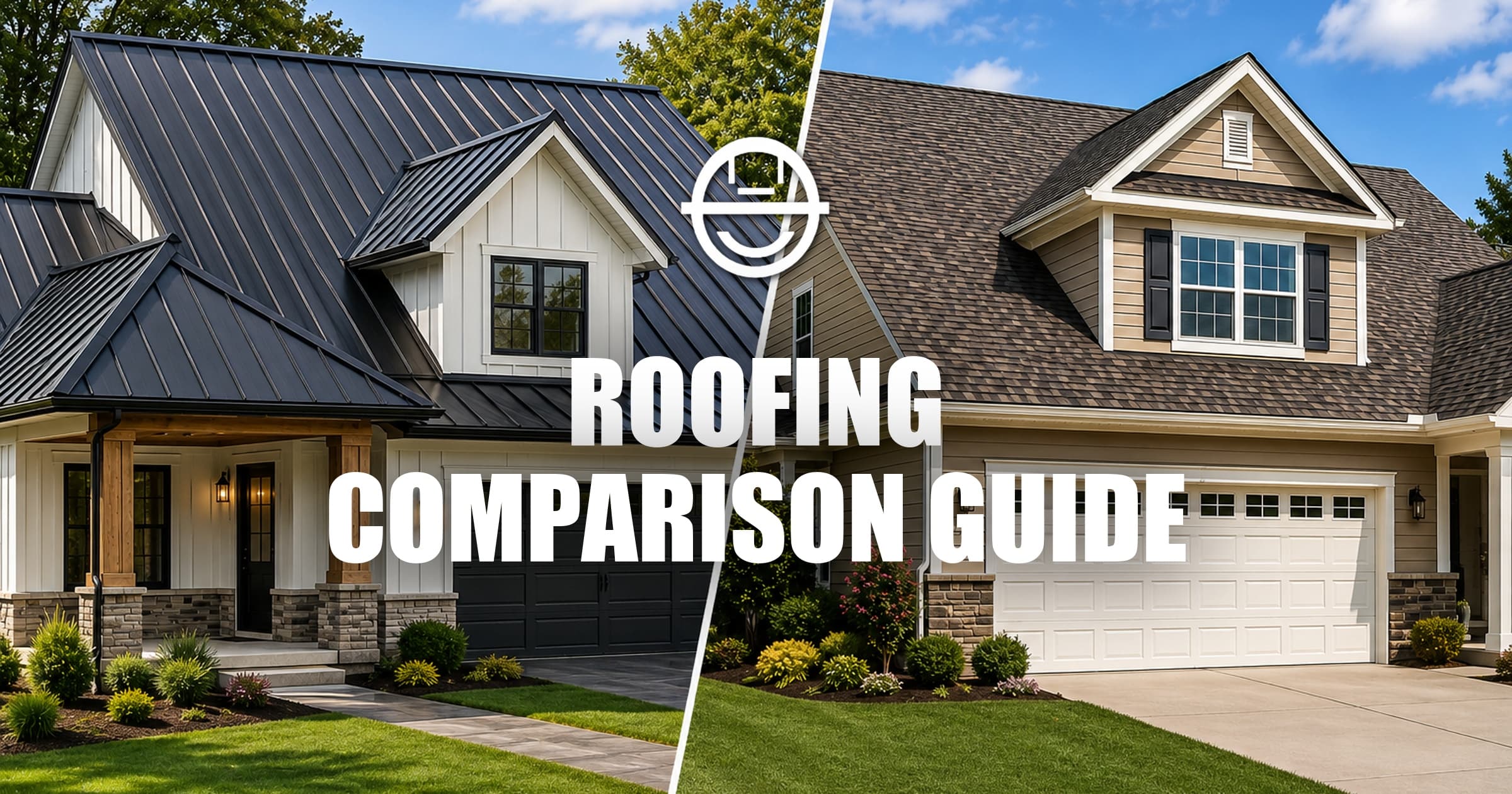
The roofing material you choose is the single biggest factor in your total cost — and it also determines how long your new roof will last. Here's how the most common options compare:
|
Material |
Cost per Sq Ft (Installed) |
Lifespan |
Best For |
|---|---|---|---|
|
3-Tab Asphalt Shingles |
$3.50 – $5.00 |
15–20 years |
Budget-conscious homeowners |
|
Architectural Asphalt Shingles |
$4.00 – $6.00 |
25–30 years |
Best balance of cost and durability |
|
Premium Asphalt Shingles |
$4.50 – $6.50 |
30–50 years |
Extended protection without going metal |
|
Standing Seam Metal |
$8.00 – $16.00 |
40–70 years |
Longevity, energy efficiency, severe weather |
|
Metal Shingles / Panels |
$7.00 – $14.00 |
40–60 years |
Metal look without the standing seam price |
|
Clay / Concrete Tile |
$10.00 – $20.00 |
50–100 years |
Hot climates, Mediterranean aesthetics |
|
Natural Slate |
$20.00 – $35.00 |
75–150+ years |
Luxury homes, maximum longevity |
|
Synthetic Slate |
$8.00 – $15.00 |
40–60 years |
Slate appearance at a fraction of the weight/cost |
|
Wood Shingles / Shakes |
$6.00 – $12.00 |
25–30 years |
Rustic curb appeal |
Asphalt shingles remain the dominant choice for American homeowners — and for good reason. They're affordable, widely available, easy to install, and come in a broad range of styles and colors. Architectural (also called dimensional) shingles have largely replaced basic 3-tab options as the standard, offering better wind resistance, longer warranties, and a more appealing profile on the roof.
Metal roofing has surged in popularity over the past several years. The upfront investment is significantly higher, but when you factor in a lifespan of 40 to 70 years, lower maintenance costs, and energy savings of 15–25% on cooling, the total cost of ownership often ends up lower than replacing asphalt shingles two or three times over the same period.

Where Your Roofing Budget Actually Goes
Understanding the cost breakdown helps you spot where there's room to negotiate — and where cutting corners would be a mistake.
Labor: 50–60% of total cost
Labor is consistently the largest portion of any roofing project. Professional roofers typically charge $40–$90 per hour per worker, and a standard roof replacement requires a crew of 3–5 people working over several days. Steep pitches, multi-story homes, complex roof designs with dormers or skylights, and difficult access all increase labor hours and cost.
Materials: 30–40% of total cost
Beyond the shingles or panels themselves, materials include underlayment (the waterproof layer beneath the visible surface), flashing around chimneys, vents, and valleys, ridge caps, drip edge, and ice-and-water shield in colder climates. These components are easy to overlook in a quote but essential to a watertight installation.
Tear-off and disposal: 5–10%
Removing the existing roof typically runs $1–$5 per square foot, or around $2,000–$10,000 for a standard home. Heavier materials like concrete tile or multiple layers of old shingles cost more to remove and haul away. Some contractors include disposal in their base price; others bill it separately, so always ask.
Permits, inspections, and extras: 2–5%
Most municipalities require permits for a full roof replacement. Fees range from $100 to $500 depending on your area. Structural repairs discovered during tear-off — rotted decking, damaged trusses, outdated ventilation — can add $500 to $3,000 or more.
Cost by Roof Size
Your roof's surface area is typically 10–20% larger than your home's living square footage due to pitch and overhangs. Here's what to expect based on roof size:
|
Roof Size (Sq Ft) |
Asphalt Shingles |
Metal Roofing |
Tile / Slate |
|---|---|---|---|
|
1,000 |
$4,000 – $6,000 |
$8,000 – $16,000 |
$15,000 – $30,000 |
|
1,500 |
$5,200 – $9,000 |
$12,000 – $24,000 |
$22,000 – $45,000 |
|
2,000 |
$7,500 – $14,000 |
$16,000 – $32,000 |
$30,000 – $60,000 |
|
2,500 |
$9,000 – $16,500 |
$20,000 – $40,000 |
$38,000 – $75,000 |
|
3,000+ |
$11,000 – $20,000+ |
$24,000 – $48,000+ |
$45,000 – $90,000+ |
What Affects Your Roof Replacement Cost
Beyond size and material, several other factors can push your final bill higher or lower:
Roof Pitch and Complexity
A steeply pitched roof has more surface area than a low-slope roof covering the same footprint. It also requires additional safety equipment, scaffolding, and slower installation speeds. Complex roof designs — with multiple hips, valleys, ridges, dormers, or skylights — demand more detailed flashing and seam work, adding $1,000–$3,000 or more to the project.
Geographic Location
Labor rates, material availability, and local building codes vary significantly by region. Metropolitan areas and high-cost-of-living markets charge more across the board. Climate also matters: homes in hurricane-prone areas may need impact-rated materials, while northern climates require ice-and-water shield barriers at eaves and valleys.
Roof Access and Home Height
A single-story ranch with easy ground-level access is simpler and cheaper to roof than a three-story Victorian surrounded by landscaping. Multi-story homes require more time, equipment, and safety precautions, all of which increase labor costs.
Structural Repairs
Once the old roof comes off, contractors may discover rotted decking, damaged rafters, or inadequate ventilation that must be addressed before the new roof goes on. It's not uncommon for these hidden issues to add $500–$3,000 to a project. Budget for contingencies — 10–15% of your total estimate is a reasonable cushion.
Number of Existing Layers
Building codes in most areas allow a maximum of two layers of asphalt shingles. If your home already has two layers, a complete tear-off is required before the new roof can be installed, adding to both labor and disposal costs.

Return on Investment: Is a New Roof Worth It?
A roof replacement consistently ranks among the top home improvement projects for resale value. On average, homeowners recoup approximately 60–68% of their investment when they sell. For a $10,000 asphalt shingle roof, that translates to roughly $6,000–$6,800 in added home value.
But the financial picture extends well beyond the resale number. A new roof delivers several additional benefits that don't always show up in ROI calculators:
Curb appeal and buyer confidence. A new roof is one of the first things buyers — and appraisers — notice. Homes with aging or visibly deteriorated roofs often receive lower offers, longer time on market, or requests for credits during negotiation. A new roof signals that the home has been well maintained and won't require a major expense soon after purchase.
Energy efficiency. Modern roofing materials with proper ventilation and insulation compatibility can reduce heating and cooling costs by 7–15%. Over a 20-year lifespan, those savings can add up to $10,000 or more, particularly with reflective "cool roof" materials in warmer climates.
Insurance benefits. Many insurance providers offer premium discounts of 5–35% for newer roofs, especially when impact-resistant or wind-rated materials are installed. An aging roof, on the other hand, can make it harder — and more expensive — to obtain coverage.
Prevention of costly damage. A failing roof leads to water infiltration, which causes mold, rotted framing, damaged insulation, stained ceilings, and ruined possessions. The cost of repairing interior water damage often exceeds the cost of the roof replacement that would have prevented it.
Key insight: Even though a roof replacement won't return 100% of its cost at resale, the combination of increased home value, energy savings, insurance benefits, and damage prevention makes it one of the smartest long-term investments a homeowner can make.
When to Replace vs. When to Repair
Not every roof issue requires a full replacement. Here's a general framework:
Repair makes sense when:
- Damage is localized (a few missing or cracked shingles, a small leak around a vent)
- The roof is less than 15 years old and in overall good condition
- The cost of repair is under 30% of what a full replacement would cost
Replacement makes sense when:
- The roof is approaching or past its expected lifespan (20+ years for asphalt, 40+ for metal)
- There are widespread issues — curling, buckling, granule loss, or multiple leaks
- You're planning to sell within the next 2–3 years and the roof's age will concern buyers
- Your insurance company or lender requires it
A professional roof inspection — typically around $200–$300 — can help you determine which path makes the most sense. Many reputable contractors offer free inspections and will give you an honest assessment of remaining roof life.
How to Budget and Plan Your Roof Replacement
1. Get your roof measured accurately. Your roof's square footage is not the same as your home's floor plan. A contractor or aerial measurement service can provide an exact number. Many modern roofers use satellite imagery to estimate roof dimensions before they even visit your property.
2. Choose your material based on goals, not just price. If you plan to stay in the home for 20+ years, the higher upfront cost of metal or premium shingles may save you money compared to replacing cheaper materials twice. If you're selling soon, standard architectural shingles offer the best balance of cost and buyer appeal.
3. Get at least three written estimates. Compare them line by line — not just on the total. Make sure each quote includes the same scope: tear-off, disposal, underlayment, flashing, ridge vents, permits, and cleanup. The cheapest bid often excludes items the others include.
4. Check credentials carefully. Verify that your contractor is licensed, insured, and bonded. Ask for manufacturer certifications (GAF Master Elite, Owens Corning Preferred, CertainTeed SELECT ShingleMaster) — these indicate proper training and enable extended warranty coverage. Read recent reviews and ask for local references.
5. Understand the warranty. A good roofing job comes with two warranties: a manufacturer warranty on the materials (typically 25–50 years for shingles) and a workmanship warranty from the contractor (usually 5–15 years). Make sure both are included in writing.
6. Plan for the best season. Late spring through early fall is peak roofing season in most regions. Booking during late winter or early spring can sometimes secure better pricing and faster scheduling.
7. Build in a contingency. Set aside 10–15% above your contractor's estimate for surprises. Decking repairs, code-required upgrades, and unforeseen structural issues are common — and much better to budget for upfront than scramble to cover mid-project.
Want a specific estimate for your roof in National?
Tell our agent about your project — it'll match you with a verified local pro in minutes.
.webp&w=3840&q=75)
Comments