

7 Signs You Need a New Roof in Seattle (And What It'll Cost in 2026)
Is your roof showing signs of wear and tear? Understanding the 7 key indicators can help you determine if it's time for a new roof, and how much it will cost in Seattle, with a typical cost range of $7,500 to $60,000, depending on the material and size of the roof.
At a Glance: Roof in SEATTLE 2026
|
|
|
|---|---|
|
Average cost |
$7,500 – $60,000 |
|
Cost per sq ft |
$4.50 – $25 |
|
ROI at resale |
60–70% |
|
Typical timeline |
1–5 days for replacement |
|
Permit required |
Yes / Depends on scope |
|
Local market factor |
1.00x |
How Much Does a Roof Cost in SEATTLE in 2026?
The cost of a new roof in Seattle varies widely, depending on the type and quality of materials used, as well as the size and complexity of the installation. On average, homeowners can expect to pay between $7,500 and $60,000 for a new roof, with the cost per square foot ranging from $4.50 to $25.
Quick benchmark: A typical 1,500-2,000 square foot roof in Seattle can cost between $10,000 and $20,000 for architectural shingles, according to IA Remodelings Market Research 2026.
Here is a comparison of the costs for different roofing materials:
|
Material |
Cost Range |
Cost per Sq. Ft. |
|---|---|---|
|
Asphalt Shingles (3-tab) |
$7,500 – $14,000 |
$4.50 – $7.00 |
|
Architectural Shingles |
$10,000 – $20,000 |
$6.00 – $10.00 |
|
Metal Roof (Standing Seam) |
$20,000 – $50,000 |
$10.00 – $25.00 |
|
Tile Roof (Concrete/Clay) |
$25,000 – $60,000 |
$12.00 – $30.00 |
Key cost factors: Material costs (40-50%), labor costs (30-40%), and tear-off of old roof (10-20%).
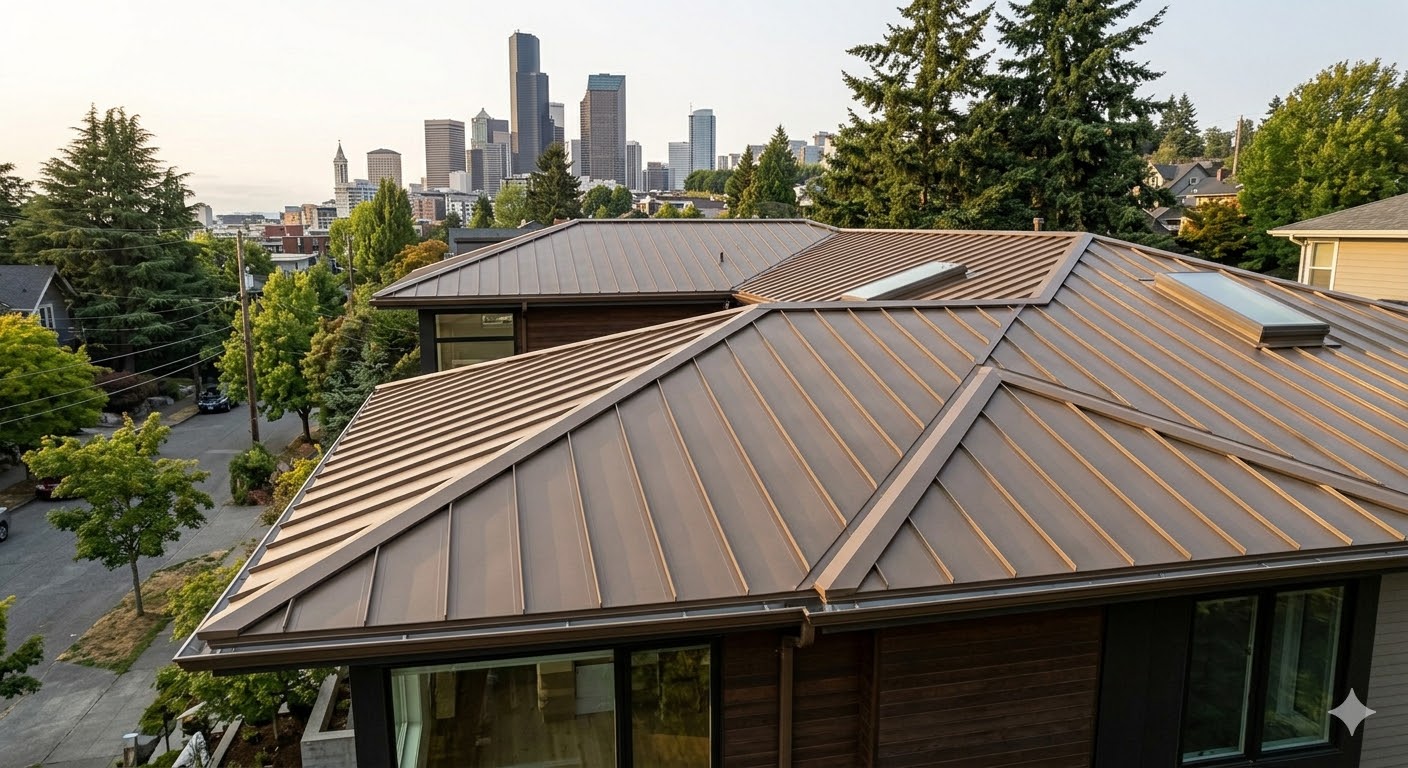
7 Signs You Need a New Roof in Seattle
As a homeowner in Seattle, it's essential to be aware of the signs that indicate your roof needs to be replaced. Here are the 7 key indicators to look out for:
- Moss or Algae Growth: If you notice moss or algae growing on your roof, it may be a sign that your roof is retaining too much moisture, which can lead to damage and rot.
- Standing Water: If you notice standing water on your roof, it can be a sign of a leak or a blockage in the drainage system.
- Ice Dams: Ice dams can form on your roof during the winter months, causing water to back up and potentially leading to leaks and damage.
- Granule Loss: If you notice that your shingles are losing granules, it may be a sign that they are nearing the end of their lifespan.
- Sagging: If your roof is sagging or showing signs of structural damage, it's essential to address the issue as soon as possible to prevent further damage.
- Interior Water Stains: If you notice water stains on your ceiling or walls, it may be a sign of a leak in your roof.
- Age: If your roof is more than 20 years old, it may be approaching the end of its lifespan, and it's essential to consider replacing it to prevent damage and maintain the integrity of your home.
Seattle Roof Replacement Cost: $12k-$22k Range
The cost of replacing a roof in Seattle can vary widely, depending on the type and quality of materials used, as well as the size and complexity of the installation. On average, homeowners can expect to pay between $12,000 and $22,000 for a new roof, with the cost per square foot ranging from $6.00 to $10.00.
Repair vs Replace Decision Framework:
- If your roof is less than 10 years old and has minor damage, repair may be the best option.
- If your roof is between 10-20 years old and has significant damage, replacement may be the best option.
- If your roof is more than 20 years old, replacement is likely the best option, regardless of the level of damage.
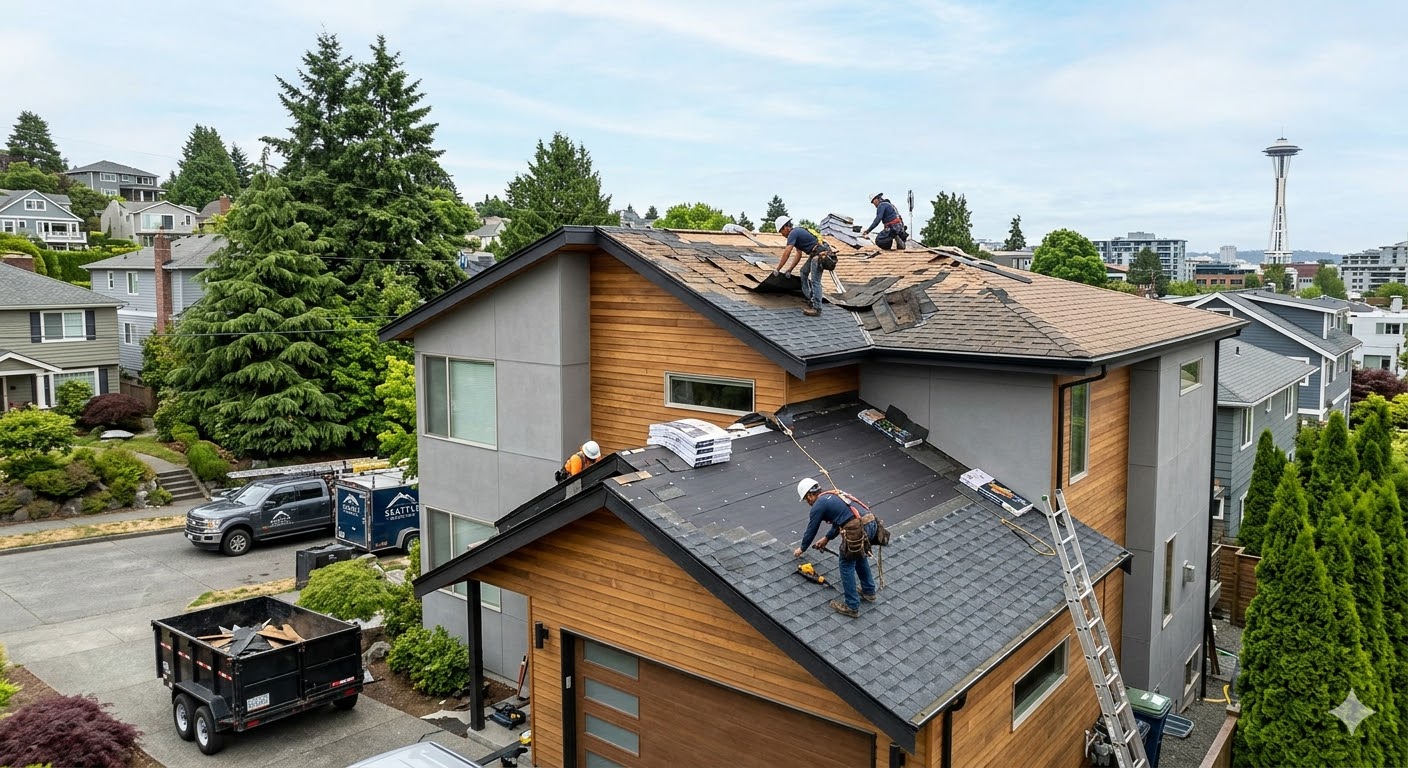
Insurance Claim Angle: When Storm Damage Qualifies
If your roof has been damaged by a storm, you may be eligible to file an insurance claim to cover the cost of repairs or replacement. According to the NAHB Remodeling Market Index, the ROI for roof replacement is 61.1%, making it a wise investment for homeowners.
Best Season to Replace in Seattle: July-August Dry Window
The best time to replace your roof in Seattle is during the dry summer months, typically July and August. This allows for a smooth and efficient installation process, minimizing the risk of weather-related delays.
Want a specific estimate for your roof in Seattle?
Tell our agent about your project — it'll match you with a verified local pro in minutes.



Comments